
Hearing aids are one part of your treatment plan
I start with your hearing, your daily life, and your goals. The right technology follows from that.
A treatment plan built around your hearing
Hearing aids matter, and I'll help you choose the right ones.
They work best as one part of a plan that also includes testing, listening training, and follow-up care.
Here are the four stages.
Evaluate
Your plan starts with an evaluation in your home. I ask about your history and goals, test your hearing in quiet and in noise, and explain your results the same day.
I bring the same testing equipment a clinic uses.Treat
I recommend a technology level for your hearing and your daily life. Then I fit your hearing aids and check them in your own ears.
I work with all major manufacturers.Train
Hearing well again takes time. Your brain has to relearn how to use sound, and listening training helps.
Support
You get scheduled visits, adjustments as your hearing changes, and the same audiologist every time.
Hearing aid styles
Hearing aids come in several styles. I'll help you pick one based on your hearing loss, your ears, and what's comfortable for you.
Behind-the-Ear
Sits behind the ear. Reliable, and works for every level of hearing loss. The most common fit.
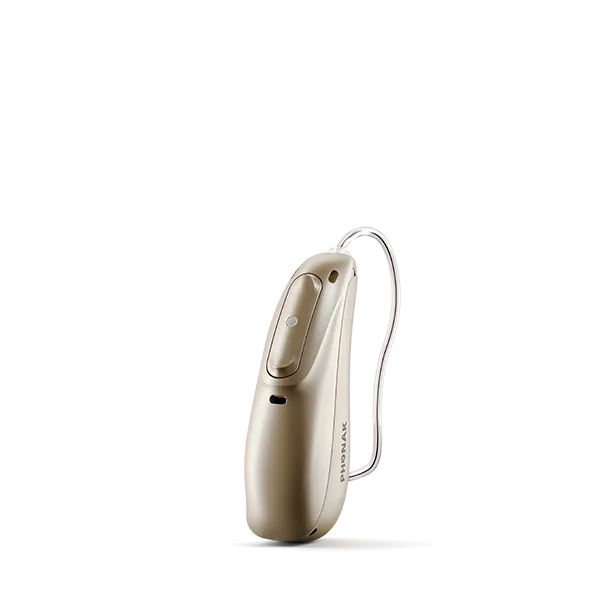
Receiver-in-Canal
Sits behind the ear, with a thin wire to a small speaker in the ear canal. Comfortable and light.
In-the-Ear
Custom-molded to fill the outer part of your ear. Comfortable and easy to handle.
Completely-in-Canal
Small, and sits mostly inside the ear canal.
Invisible-in-Canal
Sits deep in the ear canal and is very hard to see.
CROS / BiCROS
For hearing loss in only one ear. Sends sound from the weaker side to the better ear.
Worried about how hearing aids would look?
Read the transcript
Dr. Sommers: If you were to give advice to someone in their 50s or 60s who is starting to have a harder time in background noise, and they've been told there is some treatable hearing loss, but they're really hesitant to do anything about it, what would your advice be? Patient: I think my advice would be don't wait too long, for one thing, and also don't be overly concerned about the cosmetic effect. I would have to say that one of the reasons that I waited longer than I should have is that I didn't want people seeing me wearing hearing aids. You're going to find that people are quite understanding. The people that I deal with, in restaurants and church settings and everything, they're very understanding. So I would say don't wait too long.
Real patients, in their own homes. Transcripts are lightly edited for readability. Individual experiences vary.
What today's hearing aids can do
Today's hearing aids do more than make sound louder. Many also include sound therapy settings for tinnitus and ringing in the ears.
Bluetooth and rechargeable
Stream phone calls, music, and TV straight to your hearing aids. Rechargeable models mean no more changing batteries.
Artificial intelligence
Hearing aids can learn your listening preferences and adjust on their own as you move from place to place.
Noise reduction
Directional microphones focus on the person talking and soften background sound.
I work with every major brand
I'm not tied to one company. I recommend the brand and model that fit your hearing and your daily life.
Your plan, step by step
Here's what each part of your plan includes. I go over every cost with you before you decide anything.
You can also read more about how private-pay hearing care works.
In-home hearing evaluation
This is the first step of your treatment plan. I ask about your history and goals, look in your ears, test your hearing in quiet and in noise, and explain your results the same day.
- No travel fee within 30 miles
- A written plan for your hearing
- 60 to 90 minutes, and family is welcome
Three technology levels
Your plan is the same at all three levels. Only the technology changes. I recommend a level based on your evaluation and the places you need to hear.
Busy, noisy days
- Restaurants, groups, and travel.
- The most processing power for hard listening situations.
Quiet and social mixed
- Church and family dinners.
- Everyday conversation with some background noise.
Mostly quiet at home
- TV, phone, and one on one.
- Clear speech in calm settings.
Every pair comes with a three-year warranty and three years of loss and damage coverage.
Fitting and listening training
I set up your hearing aids, check them in your own ears, and connect your phone and TV.
Your listening training starts here too. It helps your brain learn to use the new sound.
I see you again at 2 weeks and 4 weeks to make adjustments.
You pay the fitting fee at your fitting, and it's non-refundable. You don't pay the balance on your hearing aids until the end of your first 30 days.
- Three visits a year in your home
- The same audiologist at every visit
Your Care Plan is included in your first year.
- Renew the Care Plan each year
- Or pay per visit when you need one
- The same audiologist and the same in-home care
The Care Plan is optional after year one. I strongly recommend it.
I come to you for every visit
Whether you need an adjustment, a cleaning, or help with Bluetooth, you don't drive anywhere. I come to your home, your office, or your community.
Hearing aid checks
I check how your hearing aids are working and adjust them if needed.
Sound adjustments
Changes to volume, programs, noise settings, or comfort, based on how you're hearing day to day.
Bluetooth and wireless setup
Phone pairing, TV streaming, and help with the app.
Cleaning and upkeep
Wax filter changes, cleaning, new domes, and general upkeep of your hearing aids.
Minor repairs
Troubleshooting and small repairs in your home. Your three-year warranty and loss and damage coverage apply.
Hearing aids from another provider
Already have hearing aids? I can help with adjustments and ongoing care.
With a Care Plan, three visits a year are included. Any visit beyond those three is billed per visit.
Without a Care Plan, you pay per visit for any kind of visit.
Included at every level
No matter which technology level you choose, you get:
- Three-year warranty and three years of loss and damage coverage
- Your fitting checked in your own ears
- Check-ins at 2 weeks and 4 weeks
- Listening training
- Remote adjustments and reprogramming, at no charge through year 5
- The same audiologist at every visit
Your hearing goals should drive the plan
I start with what you want to be able to do. Hear your grandchildren clearly. Follow the conversation at dinner. Stop asking people to repeat themselves.
Then I build a plan around those goals.
Hearing aids are an important part of that plan. They work best when they're fit well, checked in your own ears, and backed by training and follow-up care.
Choosing the right hearing aid
The best hearing aid is the one that fits your hearing, your daily life, your comfort, and your budget. Many older adults like rechargeable models that sit behind the ear, with simple controls and phone streaming.
There are three technology levels, and I recommend one based on your hearing and your goals. Every level includes the same fitting, listening training, and first-year Care Plan. I go over the cost of each level with you at your evaluation.
About five years on average, with good care. Regular cleaning and follow-up visits help them last.
Yes. Today's hearing aids use directional microphones and noise reduction to focus on speech and soften other sound.
No hearing aid removes all background noise. But conversation gets much clearer in places like restaurants and family gatherings.