Audiologist or hearing instrument specialist? Here is the honest difference.
The two titles sound similar and the offices can look alike, but the training behind them is not the same. Understanding the distinction helps you choose the right professional for your needs, without the marketing gloss.
Different training, overlapping work.
A Doctor of Audiology earns a clinical doctorate in the science of hearing and balance and is trained to diagnose hearing and balance disorders, not only to fit hearing aids. A hearing instrument specialist holds a state license centered on testing for the purpose of fitting and dispensing hearing aids. In Texas, that license is called a Hearing Instrument Fitter and Dispenser.
Both can fit and sell devices. Where they differ is in the depth of evaluation and in the ability to recognize when a hearing problem has a medical cause that belongs with a physician.
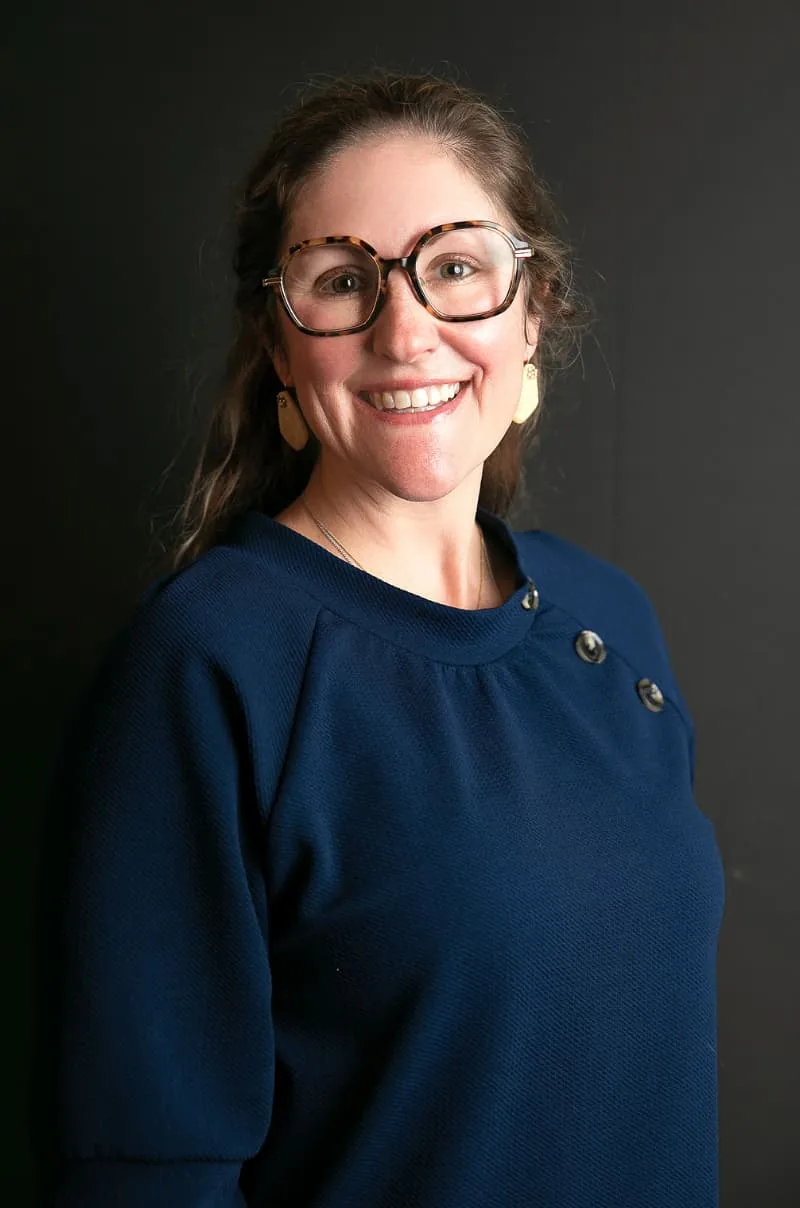
Comparing the two roles.
How each license works here.
Hearing Instrument Fitter and Dispenser. Texas licenses these professionals through the Texas Department of Licensing and Regulation (TDLR). The usual path is a training permit and a supervised apprenticeship, followed by written and practical exams. No college degree in audiology is part of that path.
Audiologist. TDLR also licenses audiologists. Applicants need a doctoral degree in audiology or a related hearing science, along with supervised clinical training and a national exam. Some longtime audiologists hold master's degrees from before the doctorate became the standard.
You can look up any Texas license, of either kind, on TDLR's license search. It takes about a minute, and a good provider will never mind you checking.
When a hearing provider comes to your home.
Home visits are a wonderful way to get care, and the home is not what tells you who is behind the visit. Mobile hearing providers in the Houston area include both hearing instrument specialists and audiologists, and there are skilled, caring people in both groups. A van, a white coat, or the word “clinic” will not tell you which one is at your door, so it is fair to ask.
Here are the questions I would ask anyone coming to my own parents' home:
- What is your license, and what is your training? Ask for the exact title, then look it up.
- Is this a diagnostic evaluation or a test for fitting hearing aids? One looks for what is going on. The other looks at whether hearing aids could help.
- Will you test my understanding of speech in background noise? For most people, that is the complaint that brought them in.
- Will you verify the hearing aids in my ears with Real-Ear Measurement? Ask to see the result.
- What would make you send me to a physician first? Sudden hearing loss, one-sided ringing, dizziness, or pain should get a clear answer.
- Who will I see for follow-up, and for how long? Hearing care lasts for years, so this matters more than the first visit.
- Is there any pressure to decide today? You should have time to think, and a clear return policy if the fit is not right.
I am a Doctor of Audiology, and I answer all of these the same way at every visit. If you are considering in-home hearing care, I am happy to walk you through them.
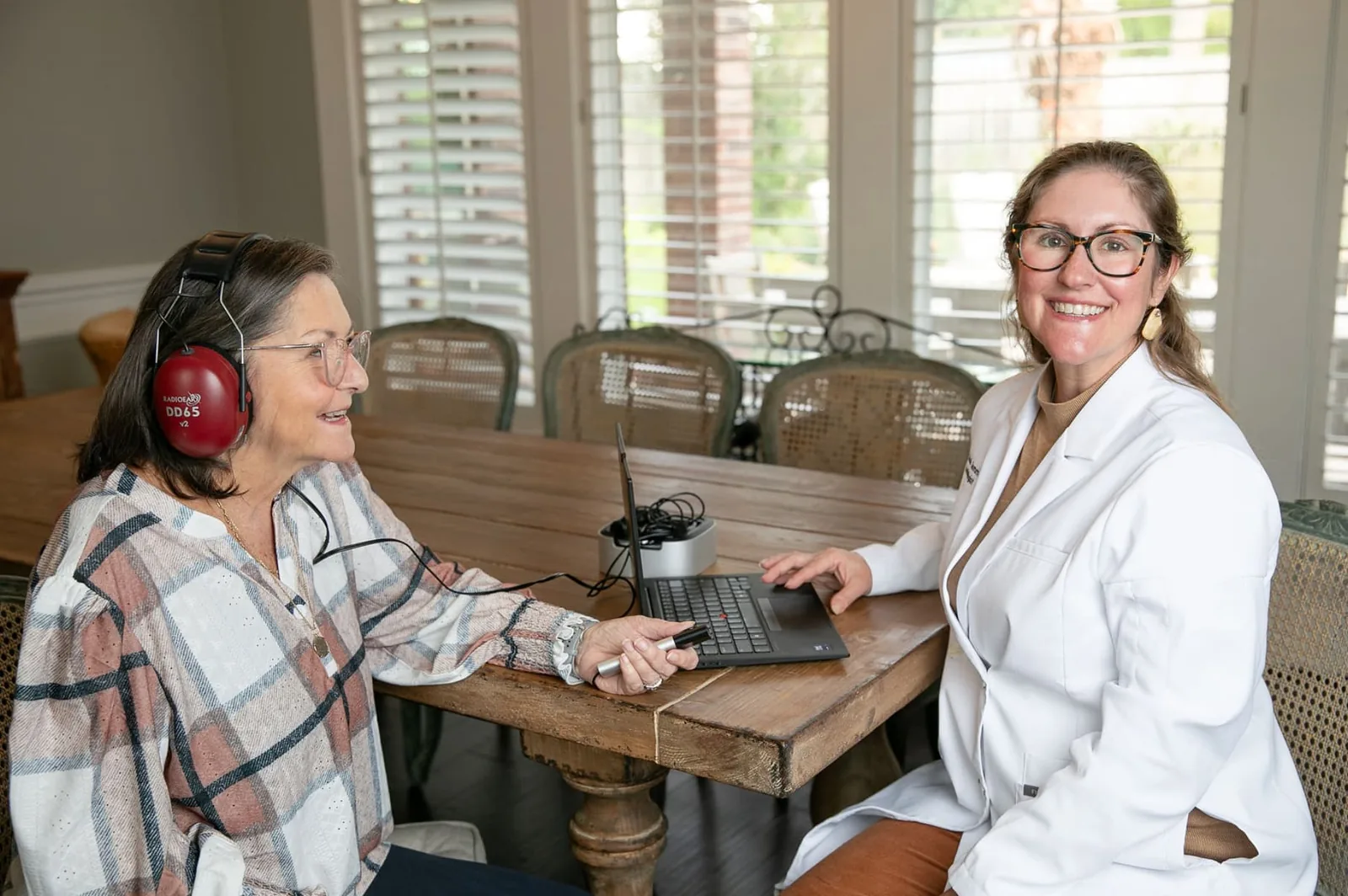
Look past the title to the care.
Credentials are a starting point, not the whole answer. A good provider gives you time, evaluates your full hearing picture, fits devices with verification like Real-Ear Measurement, and tells you honestly when you do not need anything at all.
With Clearly Better Hearing, you see the same Doctor of Audiology every visit, in your own home, with the diagnostic depth to catch what a quick fitting might miss.
The right provider also explains the cost up front. Here is how private-pay hearing care works, and why you can hear but not understand speech.
Not sure where you stand? Take the Fit Check, step one of the Sound and Sense Method™.
Audiologist versus hearing instrument specialist.
The clearest difference is education and scope. A Doctor of Audiology completes a doctoral degree and clinical training in the science of hearing and balance, and can diagnose hearing and balance disorders. A hearing instrument specialist holds a state license focused on testing for the purpose of fitting and selling hearing aids.
Yes. Both can test hearing for the purpose of fitting hearing aids and can dispense devices. The difference shows up in the depth of diagnostic evaluation, the ability to identify medical concerns that need referral, and the range of conditions each is trained to address.
If your needs are straightforward, either professional may serve you well. If you have complex hearing loss, tinnitus, balance concerns, or anything that could have a medical cause, the broader diagnostic training of a Doctor of Audiology helps ensure nothing important is missed.
Not as a blanket rule. Skilled, caring professionals exist in both fields. The right question is whether the person in front of you has the training and the time to evaluate your whole hearing picture, not just sell you a device.
I am a Doctor of Audiology, with the doctoral education and clinical training to evaluate hearing comprehensively and to recognize when something belongs in another specialist's hands.
No. Texas licenses them separately. A Hearing Instrument Fitter and Dispenser usually qualifies through a training permit, a supervised apprenticeship, and exams. An audiologist applying today needs a doctoral degree in audiology or a related hearing science, supervised clinical training, and a national exam.
Ask for the exact license title, then look it up on the Texas Department of Licensing and Regulation license search. A provider who comes to your home should be glad to tell you.
One patient's advice.
Read the transcript
Dr. Sommers: If someone else was in the same position you were in before, what would you say to them? Patient: I would say find you a good audiologist and listen to her.
Real patients, in their own homes. Transcripts are lightly edited for readability. Individual experiences vary.
See what Real-Ear Measurement is and why to ask for it, or read questions to ask before buying any hearing aid.
See a Doctor of Audiology at home.
Get a comprehensive, unhurried hearing evaluation from a licensed hearing care professional, brought to your door.
Request a Visit