5 Signs an Aging Parent May Need a Hearing Test (A Quick Reference for Care Teams)
A daughter once reached out because her father, who'd worn hearing aids for years, needed his devices checked. While scheduling, she mentioned her mother's hearing too.
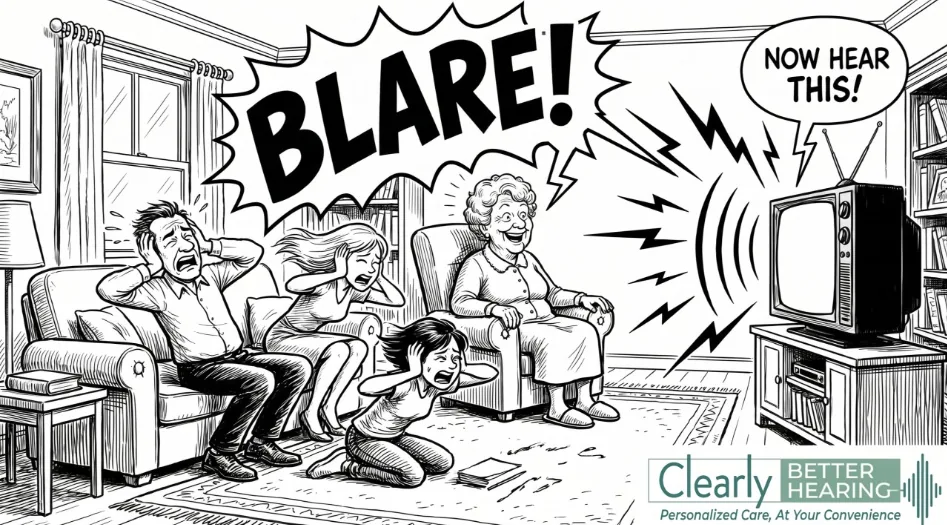
The family had noticed changes in her mother for a while. She'd stopped enjoying family dinners out. The TV got turned up so loud it was uncomfortable for everyone else in the room. And more recently, they'd started noticing cognitive changes that genuinely worried them.
For years, the family had focused on the father's hearing loss, since it was already diagnosed and being treated. It hadn't occurred to them that the mother might be dealing with the same thing.
During the visit, I checked the father's hearing aids and tested the mother's hearing. She had a significant hearing impairment that had gone untreated. We built a treatment plan around her specific needs, and over time, she's become far more engaged again, with her husband and with the rest of the family.
This is a common pattern. When one spouse already has documented hearing loss, families often stop watching for it in the other. Here are five signs worth paying attention to in anyone, not just the person who already has a diagnosis.
The TV or radio volume keeps climbing, session after session. Phone calls feel harder to follow than in-person conversation. The person has gotten quieter in group settings, like meals or activities, where they used to participate more. They ask for repeats more often, especially with unfamiliar voices. And they've started skipping events or outings they used to enjoy.
None of these signs alone confirms hearing loss. Together, especially if they've built up over months, they're worth a real conversation and a referral.
One thing worth knowing: many older adults don't recognize the change themselves. As hearing loss develops gradually, the brain adjusts and stops flagging what's missing. This is a documented pattern called anosognosia, and it means the person genuinely isn't aware anything is wrong, even when it's obvious to everyone around them.
That's exactly why a referral matters more than a conversation with the family. A hearing test measures what the person can't self-report.
If you're seeing these signs in a resident, client, or patient, an in-home hearing evaluation removes the usual barriers: transportation, unfamiliar settings, and scheduling around other appointments. I'm happy to be a resource if you'd like a simple checklist to share with your team or with families.
Questions about your own hearing, or someone you love? Call (713) 570-6370, or send me a request.
Request a VisitSee the full guide to signs of hearing loss, and how to help as a caregiver.